If you have a large music collection, you may wonder whether running SongKong before importing your files into Roon will actually improve album identification. Roon is good at recognising albums using existing metadata, filenames, and disc IDs, but incomplete or inconsistent metadata can prevent it from matching many albums correctly.
To see how SongKong improves album identification in Roon, I ran a controlled test using a library of 16,330 tracks. This library is mostly well-organized into folders, with a few duplicates and incomplete albums — representative of a typical collector’s music collection.
Step 1: Baseline Roon Identification
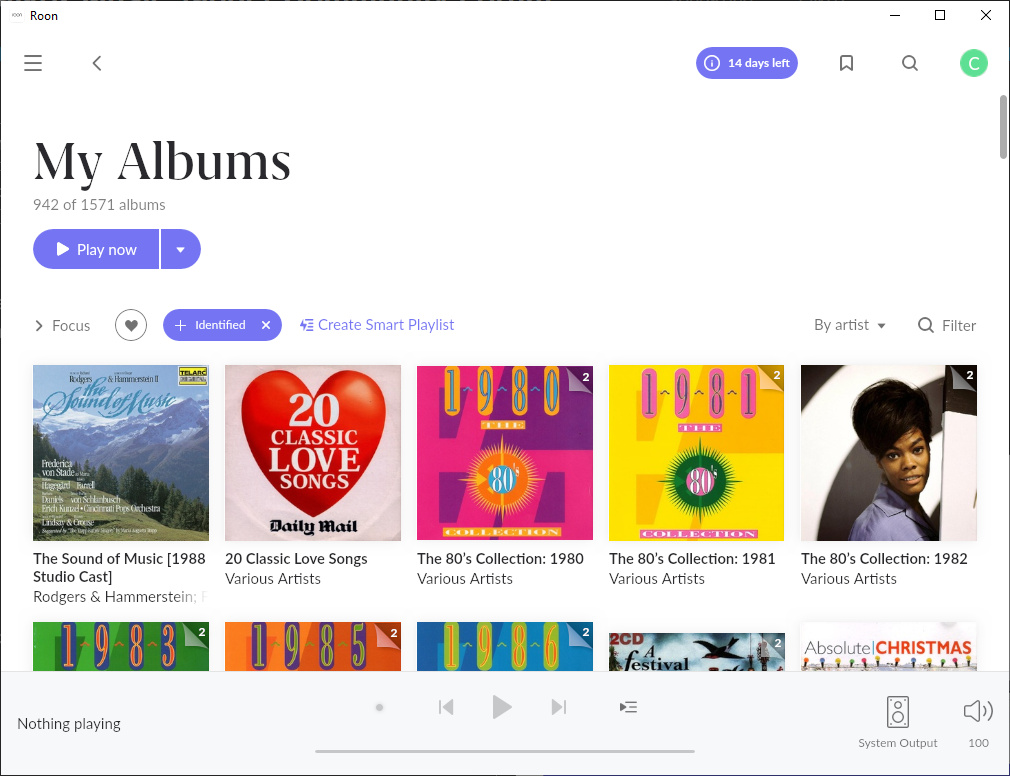
I removed all metadata from the Music folder then added it a fresh Roon database, the results were:
| Total Tracks | Total Albums | Identified | Unidentified |
|---|---|---|---|
| 16,330 | 1,581 | 942 | 629 |
This means 59.6% of albums were identified.

Step 2: SongKong Metadata Applied
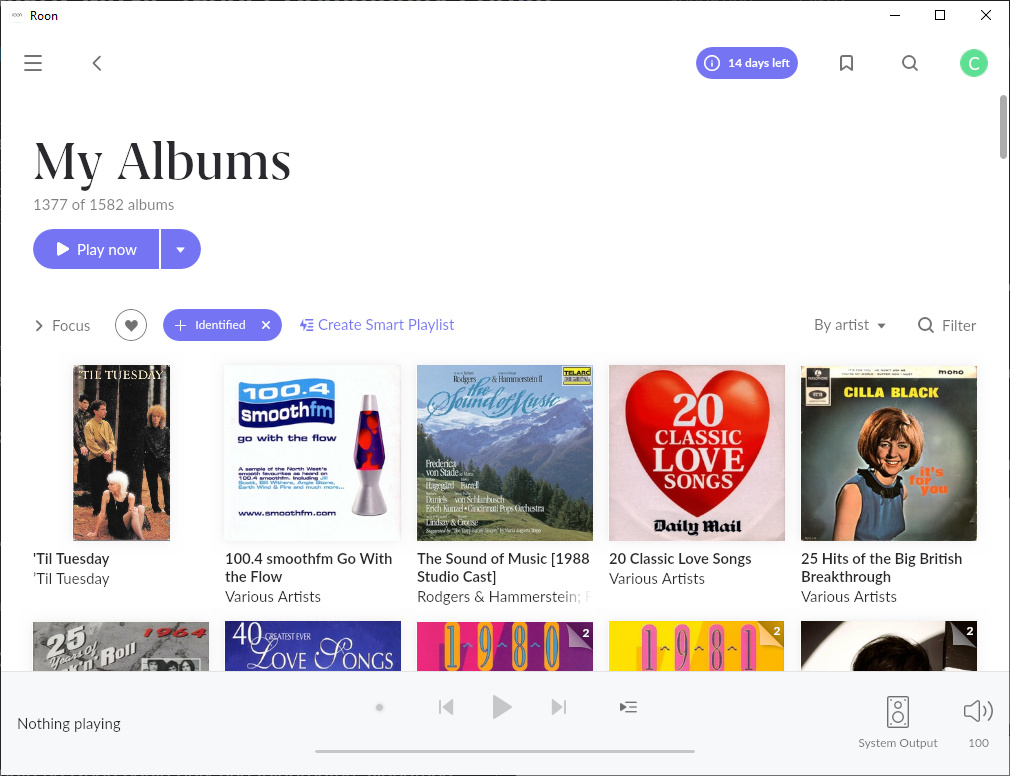
I then deleted the Roon database and then ran SongKong’s Fix Songs task with the Roon profile, then added the folder to Roon again, the results:
| Total Tracks | Total Albums | Identified | Unidentified |
|---|---|---|---|
| 16,330 | 1,582 | 1,377 | 205 |
Identification increased from 59.6% → 87% , a 27% improvement .

What This Means
Album identification improved from 59.6% to 87.0% when SongKong was used before Roon.
Even though this test removed all existing metadata so Roon could only use folderpaths, filenames and Disc Ids and SongKong could not use tag metadata either, the results clearly show that:
- SongKong’s matching using Acoustid, MusicBrainz and Discogs can dramatically improve album identification.
- Using SongKong first, then Roon , provides a much higher identification rate than Roon alone.
In real-world scenarios, where both Roon and SongKong can leverage existing metadata, you can expect even better results .
The takeaway: Using both tools together ensures your library is more completely identified, even for tricky albums like classical, rare releases, or multi-disc collections.